
2 States Survey Nursing Home Residents To Assess Care
BOSTON 鈥� When choosing the right nursing home, most consumers lack one of the best sources of inside information about the facilities 鈥� from the residents themselves.
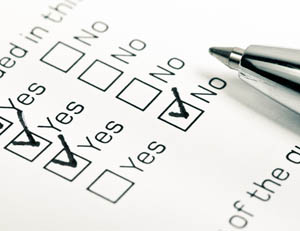
But at the annual meeting of the Gerontological Society of America, researchers from Minnesota and Ohio explained how consumers in those states can find summaries of nursing home residents鈥� online reviews. More than 3,800 researchers, educators, scientists and health professionals attended the five-day conference held in Boston last week.
鈥淭his is institutionalized word of mouth,鈥� said Jane Karnes Straker, a senior research scholar at Scripps Gerontology Center at Miami University in Ohio.聽 Straker and the Benjamin Rose Institute, a social service agency in Cleveland, created a questionnaire that has been used by an independent research firm since 2001 for an of a representative sample of the state鈥檚 nursing home residents.
The residents are asked about a range of quality-of-life issues, including the cleanliness and safety of their homes, whether they can go to bed when they like and choose their own clothes, and their opinion of the food.聽 Some 961 facilities are currently included.
University of Minnesota researchers also discussed their resident satisfaction survey, which is part of the web-based for the state鈥檚 379 nursing homes. It not only provides consumers with an inside view of the home鈥檚 operations but also exposes potential problems, said Robert Kane, who leads the effort at the university鈥檚 School of Public Health.
鈥淥ur basic premise is that things that go unmeasured, go unattended,鈥� he said.聽 The same firm Ohio hired also conducts Minnesota鈥檚 survey, which includes questions about residents鈥� comfort, privacy, access to activities, and 鈥渇ood enjoyment,鈥� among other things.
The Minnesota survey was created under a contract from the U.S. Centers for Medicare and Medicaid Services (CMS), which offers a separate 鈥溾�� website.聽聽It provides inspection results as well as performance details reported by the facility operators. However, the agency, which oversees the country鈥檚 nursing homes, never adopted Minnesota鈥檚 resident satisfaction survey nationwide as researchers had hoped.
Kane told conference attendees that the Minnesota survey costs less than 1 percent of the state鈥檚 Medicaid nursing home budget and can be emulated in other states at a reasonable cost.
鈥淚t is not a huge expense and has been effective in changing the nature of the dialogue with providers as well as providing information to consumers,鈥� he said.
In both states, the resident satisfaction surveys supplement an array of other nursing home information available on the CMS website.
The federal government is studying whether consumer satisfaction surveys could be used nationwide and posted on its website, Don McLeod, a CMS spokesman said in an e-mail.
鈥淚t is particularly important in the nursing home setting to be able to collect both resident and family input in an objective聽manner,鈥� the spokesman said. 鈥淎 number of states have developed some initial approaches to solving this challenge.鈥�


