Health Law Anniversary
The health care law has been on a roller coaster ride since its passage one year ago, moving forward with implementation plans even as opponents throw up legal and legislative challenges to stop it in its tracks. At Kaiser Health News, we wondered where these moving parts might be in March 2012,听at the measure鈥檚 two-year mark. So we asked players and experts from across the nation what they thought the landscape would be like 聳 and, in their view, should be like. They discussed issues ranging from the new insurance marketplaces called exchanges to the future of accountable care organizations: combinations of hospitals, doctors and sometimes insurers.听Here are their edited responses:
鈥� Secretary of Health and Human Resources in Virginia, one of the states challenging the constitutionality of the law.

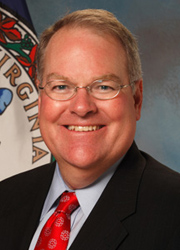
We will be extraordinarily busy. We will probably have designed the new marketplaces 聳 the exchanges 聳 as best we can, but we will still have to go back to the General Assembly for implementation. We鈥檒l have a whole lot to do in a very short period of time. Unless something changes with the law, we will have the whole issue of getting the benefit exchange up and running. Getting it implemented will be a technical challenge.
Currently, everything is in a state of flux. We suspect that aspects of the bill will change with this Congress and we also have the lawsuits, which likely will not be resolved by this time next year.
In Virginia, we鈥檝e authorized the Bureau of Insurance to enforce the law as it stands today. We鈥檝e been told by the General Assembly to plan an exchange and bring it back for approval next year. And we have money budgeted to build an infrastructure that will allow us to determine eligibility for both the formerly eligible and the people newly eligible for Medicaid. We鈥檙e trying to streamline and automate the process and are well into that.
鈥� 听President and CEO of Catholic Healthcare West
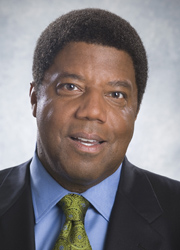
Over the next year you鈥檒l see more ACOs听and more sharing of data and integrating ourselves with other providers.
We鈥檒l begin to see the cost curve bending in the organization. Last year we were one of the first organizations in the country to a major accountable care organization 聳 I like to call it a triumvirate, with CHW, Blue Shield of California and Hill Physicians. That鈥檚 been a success: We鈥檝e hospital admissions by 22 percent; we鈥檝e reduced the length of stay and hospital days by almost 13 percent.听A year from now we鈥檒l be relatively far along in the path of implementing our new electronic health record.
What鈥檚 important here is that we鈥檙e not sitting on the sidelines waiting for something to happen in Washington, D.C., before we all get in the game. When you look at us a year from now, we鈥檒l be more efficient, with better medical outcomes and better alignment with our physicians and others in the communities we serve.
鈥� Attorney, co-founder of SCOTUSblog
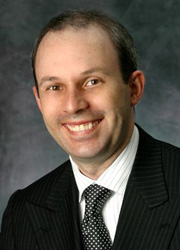
One year from today we should be waiting for a ruling from the Supreme Court. The courts of appeals should have decided the constitutionality and upheld the statute of the reform bill by this fall and the cases should have proceeded quickly to the Supreme Court for expedited consideration.
During the appeals process, I will be watching whether a court invalidates the individual mandate and therefore the entire law. I think that there will have been vigorous dissents on the Commerce Clause so the issue of the fate of the law will still be unsettled by the time it gets to the Supreme Court. But once the cases have been argued, I think the conventional wisdom is that the statute will be upheld because the justices have taken a very broad view of Congress鈥檚 power.
鈥� Associate Professor of Political Science and Public Policy, Brown University

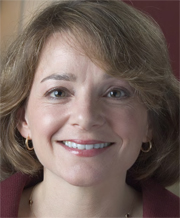
The health care message is going to get more complicated for the American voter in 2012. The Republicans clearly ran against the health care bill in 2010, but they鈥檙e going to have to come to the table in making cuts to Medicaid and Medicare in the next year. You can鈥檛 even get close to cutting the deficit if you don鈥檛 cut entitlement spending. It鈥檚 going to be much harder for the Republicans to make this a key issue in the 2012 elections.
In Obama鈥檚 favor, a lot of the provisions of the health care bill will kick in. And the more people who actually benefit, the more entrenched these programs will be. As we see with Medicare and Medicaid, once a program is entrenched and voters see clear benefits, the [program is]听almost impossible to get rid of.
Independents are the only [voting] group you鈥檙e really looking at in terms of health care. And the issue will be the battles for the key states 鈥� Ohio, Pennsylvania, Illinois, Michigan, Florida and California. It鈥檚 really, ironically, going to be a much more localized issue than it is a national issue. From this point forward, it鈥檚 the implementation of the health care act that will matter much more for Obama in 2012 than the passage of the act itself.
鈥� Senior Adviser, McKinsey Center for U.S. Health System Reform
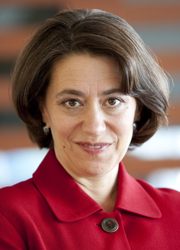
What I will be watching are the Republican presidential primaries and the CMS innovation center.听I want to be keeping an eye on that, because I feel strongly that the real transformation in health care will come from the private sector. So I am very eager to see if and how quickly seed money from the innovation center can foster truly significant change. Will the innovation center grants help us find a way to deliver the right care at the right time for the right price?
I think what has been striking about health care to date here in the U.S. is this: We have amazing one-off success stories. We can point to them dotting the landscape but the real question is, can and will those be replicated or expanded?听That鈥檚 why I鈥檓 eager about the private sector, but also hopeful that at least this grant money could help nudge it along.听
鈥� Vice President, Public Policy, National Business Group on Health

By March 2012, we hope to convince Congress to adopt medical liability reform that limits how much providers pay in non-economic damages and restricts attorneys鈥� fees. The administration has signaled that it is open to changes, and听there鈥檚 a听significant gap in the health care law to reduce the unnecessary, added costs we all pay for defensive medicine.
We also will have made sure health care payment reforms pilot projects called for in the health law get implemented quickly and widely throughout the Medicare program because we want to be paying for outcomes and quality not just care. We expect to work through the regulatory process to make sure 鈥渃onsumer directed鈥� or high-deductible health plans are allowed to be offered as rules get drawn up for new insurance exchanges. These plans are the key to getting health costs under control.
鈥� Analyst, Wedbush Securities


One of the insurance industry鈥檚 main focuses in the next year of health care reform is medical loss ratio听[provision, which requires insurers to spend 80 percent of premium revenues on medical care] and how it may change. There鈥檚 a push to change the definition of MLR to exclude brokers鈥� commissions. If it goes through, it would be very positive for the managed care plans. Also, removing broker commissions from premium revenue would make it easier for plans to stay in states like Maine.
Also, there鈥檚 the impact of exchanges. Each state鈥檚 exchange could be different, creating some favorable markets and some less favorable markets. Another negative aspect is the potential repeal of the individual mandate, which fines people for not having insurance. If you remove that, you鈥檙e more likely to have healthy people stay out of plans.
Meanwhile, a lot of insurers are diversifying to areas outside the U.S. with a particular interest in Asia, and also in the technology area. There鈥檚 a lot of federal money coming into health information technology.
鈥� Director of regulations, U.S. Chamber of Commerce
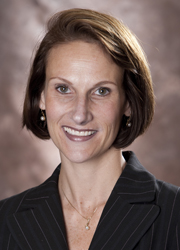
By March 2012, we hope to persuade Treasury to clarify how the health law bans employers from giving richer health benefits to high paid executives than their employees. We want the regulations to be made clear so employers are not unfairly accused of discriminating against their employees.
The Chamber also hopes to convince regulators to define 鈥渆ssential benefits package鈥� in a less extensive way so it doesn鈥檛 make the cost听of coverage unaffordable. We don鈥檛 want every desirable benefit to be required, because that will drive up costs.
The Chamber expects to work through the regulatory process to make sure that employers continue to have important flexibility to design workplace wellness programs. The health law expands the incentive amount that employers鈥� can offer to workers for participating in wellness programs beginning in 2014. The Chamber also hopes to convince Congress to change the health law鈥檚 provision that bars employees from using their flexible spending accounts from buying over-the-counter medications unless they have a doctor鈥檚 note.
鈥� Vice President for Public Policy and Advocacy, National Council on Aging

Seniors will become more aware of what鈥檚 in it for them, because there鈥檚 still a lot of confusion and misunderstanding about the implications of health care reform in general. If you鈥檝e been looking at the Kaiser tracking polls,听many people don鈥檛 even know it鈥檚 law.
People will gain a greater understanding of what this means, the fact that some of the Medicare reductions did not cut benefits or impede access to care. They did not cut payments to doctors. They will have access to physicians and may have better access to primary care physicians. Hopefully more will avail themselves of preventive services, annual wellness visits.
I do think an important issue next year, particularly in the fall before the elections, will be what the trends are with regards to Medicare Advantage plans. It will vary a lot by geographic region. What happens next year will have particular implications for folks. We鈥檙e talking about a quarter of beneficiaries.
I anticipate that sometime next year, the program [voluntary long-term care insurance] will be made available for people to sign up. That will affect baby boomers more than seniors, because there will be a work requirement. But seniors who are working will be eligible to sign up. It will provide some meaningful benefits for folks that will be interested in it.
鈥� President and CEO, Medicaid Health Plans of America
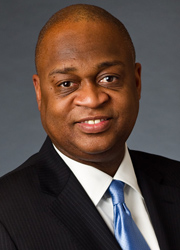
By March 2012, we want to have regulations on accountable care organizations that ensure managed care plans can play a major role in these new payment and delivery systems.
We hope to convince more states to carve drug benefits back into Medicaid managed care. Many states now exclude drug benefit from being managed by their Medicaid managed care plans.
We hope to have more guidance on how Medicaid will interact with the insurance exchanges. There should be a recognition that Medicaid health plans have experience in dealing with this population with complex medical histories, and we think our health plans are well suited to be in the exchange. Medicaid health plans should have the option of offering coverage to small business and individuals in the exchanges. We don鈥檛 think there should be any barriers that limit their participation.
听鈥撎�Medicaid director, Minnesota
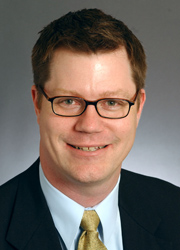
I think we will have made a lot of progress in terms of trying to put the pieces together necessary at the state level to prepare for the creation of the exchange, although a lot of work will still need to be done on that. But we鈥檒l have a framework, I believe. Also (we鈥檒l be) pursuing different grant opportunities through the ACA, and also begin thinking about policy and program redesign and response to the ACA as well. There鈥檚 a lot of interest in administrative simplification. We think this is an opportunity for that.听There鈥檚 still a lot of work to be done in that area, and we鈥檙e still waiting for a lot of the guidance from CMS in terms of just what our programs need to look like by 2014.
The backdrop to all this is we have a significant budget deficit, and there鈥檚 going to be incredible pressure in trying to find cost savings in the Medicaid program in response to that and just trying to manage those pressures but still moving forward and putting into place the building blocks we need for 2014.
鈥� Executive Director, National Nurses United

(What will you be doing this time next year?) Same thing we鈥檝e been doing: Fighting for a single payer health system, Medicare for all. We鈥檙e working with [Sen.] Bernie Sanders in Vermont on his campaign for single payer.
It鈥檚 incumbent听on us to figure out a way to pay for it and how to get the ideological opposition groups out of the way. We see the Obama thing as essentially a setback in fighting for genuine reform. Obama says he is trying to figure out a way to provide health care for all, and the industry turns around and raises rates to make it unaffordable. We鈥檝e done massive protests in an effort to get insurers to get rate increases rolled back. The problem is that Obama and the Democrats are bipartisan, but the right wing is not.听听