
HHS Seeks To Cut Preterm Births
The Obama administration launched a $40 million effort聽Wednesday to reduce premature births, especially early elective deliveries,聽聽but it has no plans to stop Medicaid from paying for聽those deliveries.
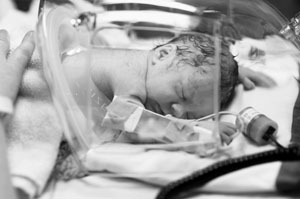
About 10 percent of all deliveries are scheduled 鈥� either as induced or Cesarean-section –before 39 weeks and are not medically indicated, according to the Department of Health and Human Services. 聽Preterm babies, those聽born before 39 weeks,聽are at聽increased risk for death, low birth weight, lung disorders, feeding problems and blood infections, according to the .
, the state-federal health insurance program for the poor, pays for about 40 percent of all deliveries in the United States each year. Medicaid last year stopped paying for several so called 鈥渘ever鈥� events such as preventable complications or wrong site surgery. But on Wednesday, Medicaid chief Cindy Mann said it has no plans to stop paying for elective deliveries before 39 weeks. 鈥淭his is not a payment strategy,鈥� Mann said when asked whether Medicaid would keep paying for elective preterm deliveries.
Under the four year announced聽Wednesday, the federal will seek to reduce preterm births by giving money to hospitals and other health providers and community coalitions to improve prenatal care and test new approaches such as group visits for pregnant women and offer case management services at birth centers.
鈥淧reterm births are a growing public health problem that has significant consequences for families well into a child鈥檚 life,鈥� said HHS Secretary Kathleen Sebelius said. Medicaid spends $20,000 a year on babies born premature in their first year, almost 10 times that of infants born at full term.
More than 500,000 infants are born prematurely in the United States each year, an increase of 36 percent in the past two decades, Sebelius said.
A by the Leapfrog Group, an employer health coalition, showed huge variation in hospitals performing elective preterm deliveries.聽Rates ranged from less than 5 percent at some hospitals to more than 40 percent, according to Leapfrog鈥檚 2011 data.
Leapfrog CEO Leah Binder said Medicaid and employers should consider stopping coverage for elective preterm births. “We fully support changes in payment to disincentivize the practice,” she said.
Doctor groups often say early deliveries are done . 鈥淲omen ask for it,鈥� said Dr. Hal Lawrence, executive vice president of the American College of Obstetricians and Gynecologists.
Scott Berns, senior vice president for the , said doctors also need to be educated about the risks of early deliveries.
“More education is needed for doctors and patients,” Berns said.
HHS is working with both ACOG and March of Dimes to reduce the incidence of early elective births.


