
Study Links Longer Office Hours, Lower Health Care Costs
After primary care doctors close their doors on weekends and evenings, patients turn聽to , pharmacy , and to get the care they need. In doing so, they may also be contributing to the nation鈥檚 skyrocketing health system costs.
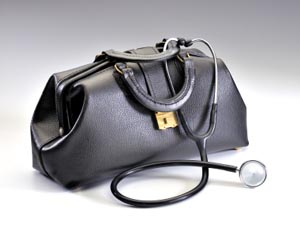
鈥淲hen a patient shows up in the emergency room, the assumption is usually that they are more likely to be sick than not,鈥� says Dr. Anthony Jerant, a professor of family and community medicine at the University of California-Davis School of Medicine.
Just being inside an emergency room is expensive.聽鈥淸The doctor] might be thinking 鈥榳ow, if they felt bad enough to come to an urgent care or emergency room they must be sick. So we should do a pretty through work-up and do every test known to man.鈥欌�� And since emergency room providers are unfamiliar with a patient鈥檚 medical history, they will order multiple tests 鈥渂ecause they don鈥檛 want to miss something,鈥� Jerant says.
All of this adds up 鈥� but Jerant and his team of researchers at the published a in the September/October that offers a suggestions that can help patients avoid this scenario.
The study was collected聽from 2000 to 2008 regarding聽more than 30,000 patients between聽18 and 90 years old, all of whom聽had a usual source of health care. Each聽patient was followed for two years, and reported whether their聽health care provider offered聽extended office hours —聽the point聽for聽researchers’聽comparison of聽the patients’ expenditures and utilization rates. The study also adjusted聽for the differences in chronic conditions, health status, health insurance and聽health care utilization among patients.
The聽researchers found that when physicians expanded their office hours,聽patients’ health care costs were reduced by more than 10 percent.
Patients with 鈥渁ccess to extended hours had less use and lower related expenditures for all subcategories of use,鈥� according to the report. 鈥淧eople who said their office provided extended hours had lower prescription drug costs, and they had lower office visit billing costs, which is really essentially ordering tests,鈥� Jerant says.
Part of the explanation could be the type of patients that seek out practices that have hours that accomdate them, he adds.
鈥淚t could be that [they] are already cost conscience. They are the type of people who don鈥檛 want to miss work and may be in favor of being thrifty in general. … That could help explain why the costs are lower. It may be more about them and their viewpoints and behaviors than anything the extended hours are actually doing.鈥�
Jerant says his own clinic at UC-Davis in Sacramento extended its hours last year.聽鈥淚 think the biggest reason most practices do it, if they can swing it, is because patients like it. It鈥檚 the way to keep working patients in your practice essentially. … So I think it鈥檚 been positive in that regard,鈥� Jerant says.


