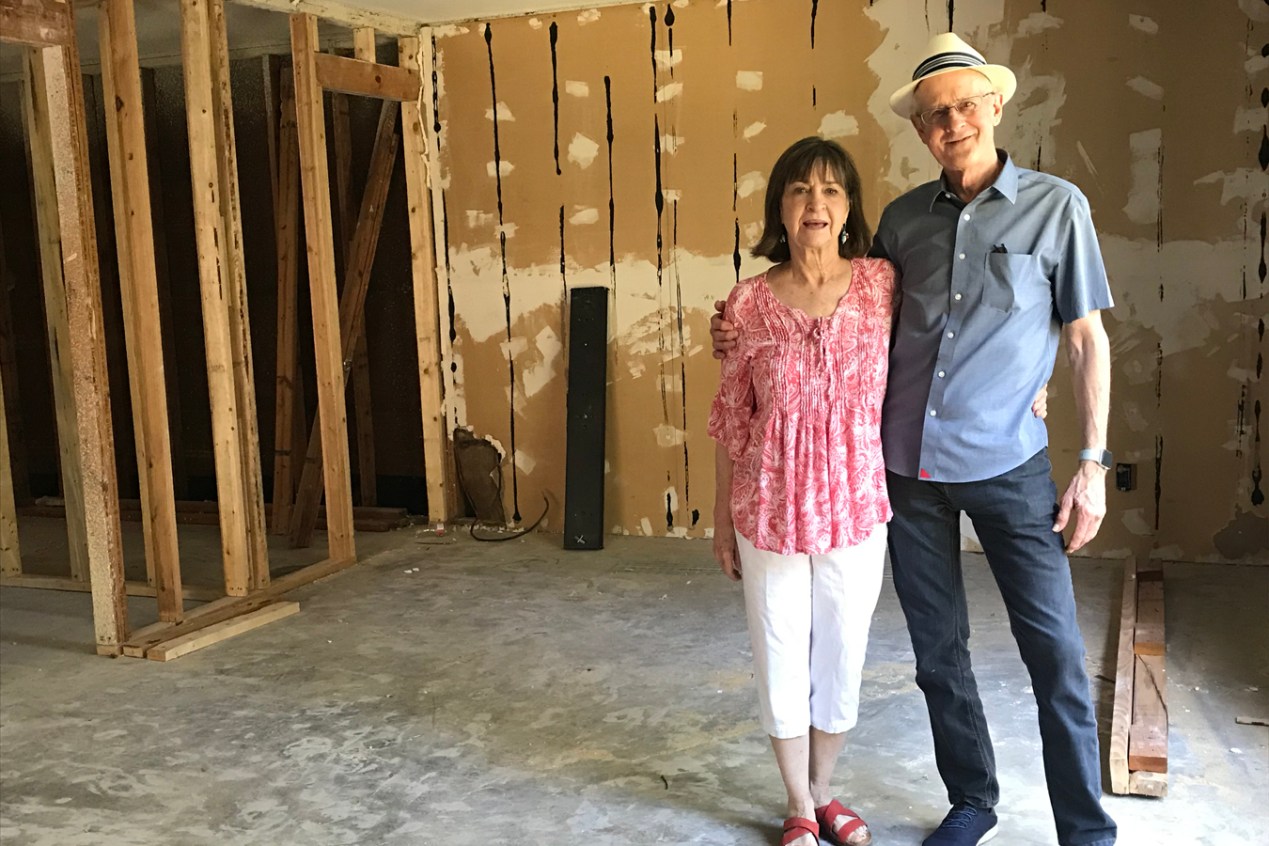
AUSTIN, Texas 鈥� Dennis and Chris Cavner, in their early 70s, are preparing to move less than two blocks away into a 2,720-square-foot, ranch-style house they bought this year. But first a renovation is underway, taking the 45-year-old property all the way back to its studs. When the work is finished, these baby boomers are confident the move will land them in their forever home.
鈥淲e wanted to find a house that we could live in literally for the rest of our lives,鈥� Dennis Cavner said. 鈥淲e were looking specifically for a one-story house and one that had a flat lot, to age in place.鈥�
For most of American history, people have moved in with relatives or gone to a care facility to live out their final years. Baby boomers don鈥檛 want either, and those with resources have generally created the modern idea of remaking old age to fit their lifestyle and retrofitting their homes for aging in place. Design and construction firms are coming up with safety features that look good as well. Think of it as the age-defying home.
Aging in place is a major financial commitment, one that may be at odds with retirees鈥� plans to downsize their lives and budgets and squirrel away cash in anticipation of rising health care costs. The Cavners are rebuilding this house 鈥� assessed at $700,000 around the time of the sale 鈥� from a shell. The remodel could easily cost $300,000 in the hot Austin market.
Leaving nothing to chance, the Cavners are paying for a number of modifications they might never need. For instance, neither uses a wheelchair, but contractors are making all doorways 3 feet wide 鈥� just in case. The master bath roll-in shower, flat and rimless, will provide room to maneuver. In the kitchen, drawers, rather than cabinets, will allow easy access in a wheelchair.
The Cavners are closely watching details of the renovation, but this dramatic late-life relocation wasn鈥檛 a hard decision.
For some seniors, aging in place might amount to simple modifications, such as adding shower grab bars or replacing a standard toilet with one that sits taller. But many seniors anticipate a financial crunch as they try to plan for their future on a fixed income, uncertain how far their savings and retirement funds will stretch.
by the Harvard Joint Center for Housing Studies may fuel these concerns. It cites growing income disparity for older Americans in the wake of the Great Recession, and says 鈥渆nsuring financial and housing security in retirement will be a struggle.鈥�
For those 65 and older, it said, 鈥渢he number of households with housing cost burdens has reached an all-time high. By 2050, almost one-quarter of Americans will be 65 or older, according to the Census. Surveys conducted over the past decade show that older adults in .
Yet many houses aren鈥檛 suited to 鈥渁ging in place,鈥� said Abbe Will, associate project director of the Remodeling Futures Program at Harvard.
鈥淐urrently, a lot do not have single-floor living 鈥� especially in certain parts of the country. There are lots of stairs and multistory homes when land is more valuable,鈥� she said. And 鈥渕any homeowners don鈥檛 necessarily have the funds to do aging in place.鈥�
Home modifications and costs vary widely 鈥� starting with those simple safety features in the bathroom or lever doorknobs throughout the house 鈥� to more extensive changes, such as widening doorways or lowering light switches to wheelchair height. Will said simple retrofits, such as grab bars, 鈥渃ould be several hundred dollars,鈥� but a 鈥渨hole bathroom remodel would be in the thousands or tens of thousands.鈥�
In a recent survey of 1,000 people age 65 and older by the California-based nonprofit SCAN (formerly the Senior Care Action Network), 80% of respondents were concerned about their ability to age in place. The driver appears to be financial: About 60% said they have less than $10,000 in savings (including investments and retirement plans).
鈥淲e don鈥檛 know what鈥檚 coming down the pipeline as we age,鈥� said sociologist Deborah Thorne of the University of Idaho, lead author of a study that found skyrocketing bankruptcy rates among those 65 and older.
The research, recently published in the journal Sociological Inquiry, finds the share of older Americans filing for bankruptcy has never been higher. 鈥淎nd bankrupt households are more likely than ever to be headed by a senior 鈥� the percent of older bankrupt filers has increased almost 500 percent since 1991,鈥�
The Harvard report also cited the burden of debt among those ages 65 to 79, with nearly half of those homeowners carrying a mortgage in 2016. And people are carrying substantially more student loan and credit card debt into retirement as well.
James Gaines, an economist with the Real Estate Center at Texas A&M University, attributes the increase 鈥渢o the labor market and employment downsizing and letting older people go first. It can force them into retirement whether they鈥檙e ready for it or not. Retirement income may not be enough to carry their debts, and they don鈥檛 have enough savings.鈥�听
鈥淭he leading edge of baby boomers has not hit 75 yet,鈥� said , lead author of the Harvard report. 鈥淲hen you think about the next five, 10 or 15 years when they鈥檙e in their 80s, you鈥檙e really going to see the needs shift.鈥�
Molinsky said just about housing 鈥渋s a good question and is a tough question.鈥� Many states have loan and grant programs for home modifications if individuals have a documented disability, she said, yet 鈥渨hat we need more of are programs that help you do this before you need it.鈥�
Molinsky said communities need to create housing near city centers so seniors don鈥檛 have to drive. And in the suburbs, communities need to offer more multifamily options, including condos and apartments to buy and rent.
鈥淲e just need options,鈥� she said. 鈥淚t鈥檚 important to think about housing options that help people stay in that community. Low-income people need housing that鈥檚 affordable. Some people want to trade that single-family home for a condo. Others want to reassess their money and sell their home for a rental. Not everybody wants the same thing.鈥�
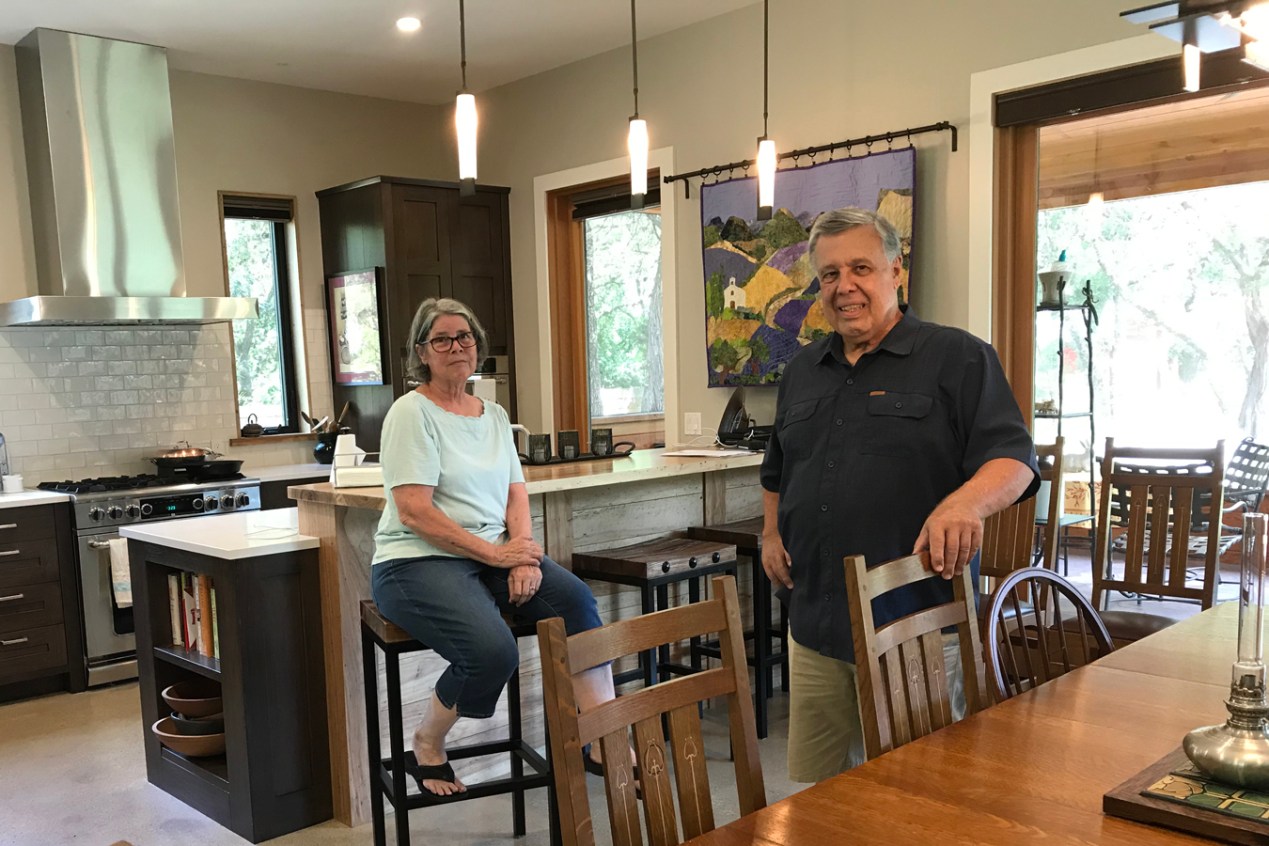
Don and Lynn Dille, both 75, built their Austin home with the intention of staying there for a long time. After living in California, Virginia and elsewhere in Texas, they moved to Austin in 2012 and, within a year, began drawing plans with an architect for an energy-efficient home to age in place. Their home was featured this summer in Austin鈥檚 annual Cool House Tour for its design making the most of natural light, cross-ventilation and solar panels, as well as wider-than-normal doorways and level floors for wheelchair use.
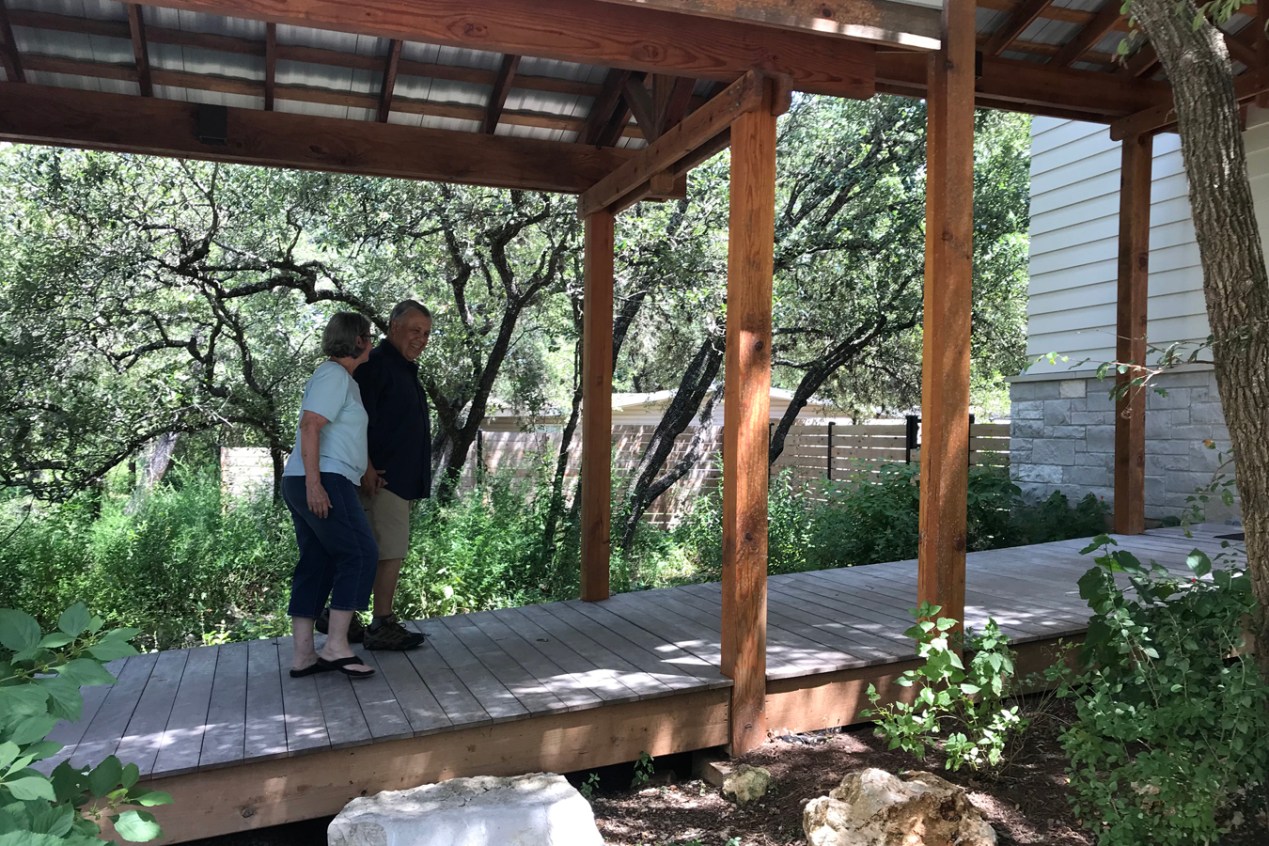
One key feature of the construction acknowledges that they might need live-in help down the road to avoid long-term nursing care. Just as the Cavners may convert a bedroom and bath on the opposite side of their new home into caregiver quarters, the Dilles constructed a second floor above their detached garage that could convert into living space.
鈥淲e think having a separate apartment where we could have a caretaker or part-time help to maintain our property makes us able to stay where we鈥檇 like to be and be independent,鈥� said Don Dille, who retired from the federal government.
The renovations are meant to meet very personal needs, but that doesn鈥檛 mean they wouldn鈥檛 appeal to others and even add to the resale value down the road.
For his part, Cavner, an investment adviser and co-founder of a new health care startup, said he believes what they鈥檙e spending to renovate the house for the years ahead will prove a sound investment: 鈥淭he modifications we鈥檙e making are not going to make it less desirable. It will feel more spacious.鈥�
麻豆女优 Health News is a national newsroom that produces in-depth journalism about health issues and is one of the core operating programs at 麻豆女优鈥攁n independent source of health policy research, polling, and journalism. Learn more about .