The first time Heidi Sweeney began hallucinating, the voices in her head told her Orange County鈥檚 Huntington Beach was where she would be safe. There, behind the bikini-clad crowds playing volleyball and riding beach cruisers, she slept in homeless encampments, then beside a bush outside a liquor store, drinking vodka to drown out the din only she could hear.
For years, she refused help, insisting to all who offered, 鈥淚鈥檓 not sick,鈥� until police arrested her for petty theft and public drunkenness. A judge gave her an ultimatum: jail or treatment. She chose treatment.
鈥淚鈥檓 so thankful that they did that,鈥� said Sweeney, now 52. 鈥淚 needed that. I think there鈥檚 others out there that need it, too.鈥�
If she hadn鈥檛 been compelled to get care, Sweeney said, she wouldn鈥檛 be alive today, back at work and reunited with her husband. It鈥檚 why she supports California鈥檚 new civil CARE Courts that will launch this fall in eight counties, including , , and Orange, followed by the rest of the state in 2024.
Under the new system, family members and first responders can ask county judges to order people with psychotic illness into treatment, even if they are not unhoused or haven鈥檛 committed a crime. A judge will then determine if a person meets criteria for the program and may oversee a care agreement or compel a treatment plan. That treatment plan could even include involuntary commitment.
The bill creating the program sailed through the state legislature with near-unanimous support last year amid growing frustration from voters over the state鈥檚 increasing number of homeless people, even as it drew vehement opposition from disability rights groups, who argued CARE Courts鈥� hallmark 鈥� compelling people who have done nothing wrong into mental health care 鈥� is a violation of civil rights.
That tension 鈥� between those who advocate for treatment being voluntary and those who say the status quo allows people to die in the streets 鈥溾�� 鈥� is playing out all over the state of California. In Orange County, officials are threading a delicate needle: how to convince people to accept care without coercion, particularly when their illness causes them to believe they are not ill.
鈥淲e don't want to punish people,鈥� said Maria Hernandez, the presiding judge for Orange County Superior Court. 鈥淲e want them to maintain their dignity.鈥�
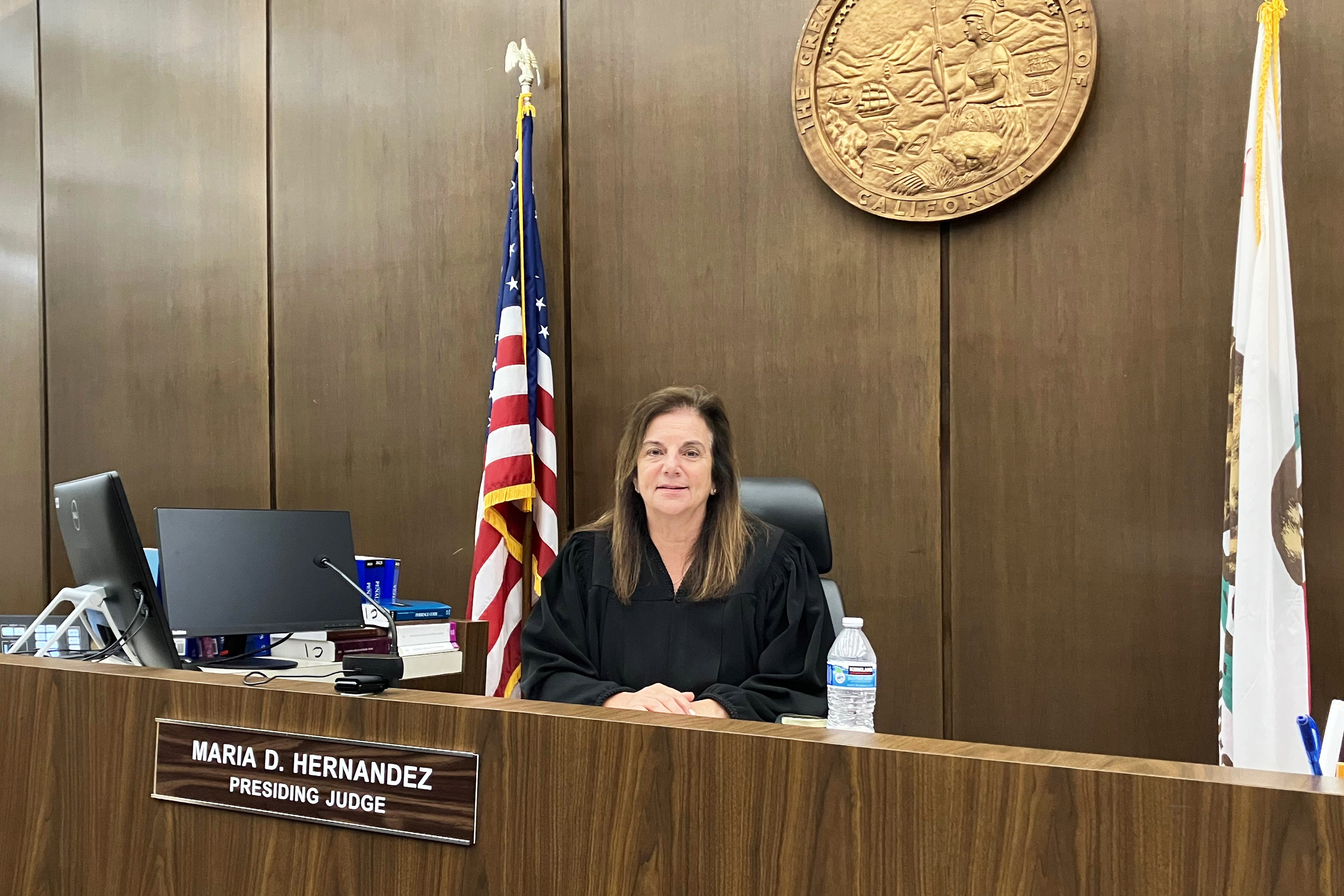
Orange County is expecting between 900 and 1,500 residents will be eligible for CARE Court in any given year, according to the county public defender鈥檚 office. Local lawyers, judges, and health officials have all aligned in designing their program with a distinct patient focus, endeavoring to make the process as benign and nonthreatening as possible.
Hernandez said that means modeling the new civil court after the county鈥檚 other collaborative courts, where judges often lose the black robe and come down off the bench to work with people, eye to eye.
One prototype, she said, is her , where, on a day in June, the mood was downright jovial. Defendants and their family members were chatting and laughing, munching on snacks laid out on a table in the back as three young men 鈥済raduated鈥� from the diversion program.
鈥淛udge Hernandez is so awesome,鈥� said Abraham, 25, a graduate of the program, who asked to be identified only by his first name because he was charged with a felony that has since been expunged from his record. 鈥淚 don't even look at her as the judge. She's just like a mom figure. She's only trying to push you to be the better you.鈥�
A minute later, Hernandez walked through the aisle of the courtroom and gave Abraham a hug.
Even if CARE Court is overseen by a judge like Hernandez, patient advocates object to the idea. Orlando Vera, who lives with bipolar disorder, said helping a vulnerable person heal from mental illness shouldn鈥檛 involve dragging them into a courtroom.
鈥淚t's not a place you resolve your emotions. It is a very business-oriented environment. So I do feel that this is not the place for it,鈥� Vera said, adding, 鈥淐an we stop it? I would say we can't.鈥�
After advocates the state Supreme Court to block the program on constitutional grounds, some started referring to gearing up for the rollout of CARE Court as 鈥渄isaster preparedness,鈥� equating it with a devastating earthquake or wildfire.
, a group Vera co-founded and runs, plans to install patient advocates at the courthouse to attend all CARE Court hearings.
鈥淥ur focus is how do we support those that are going through the system,鈥� he said. 鈥淲e need to be their voice.鈥�
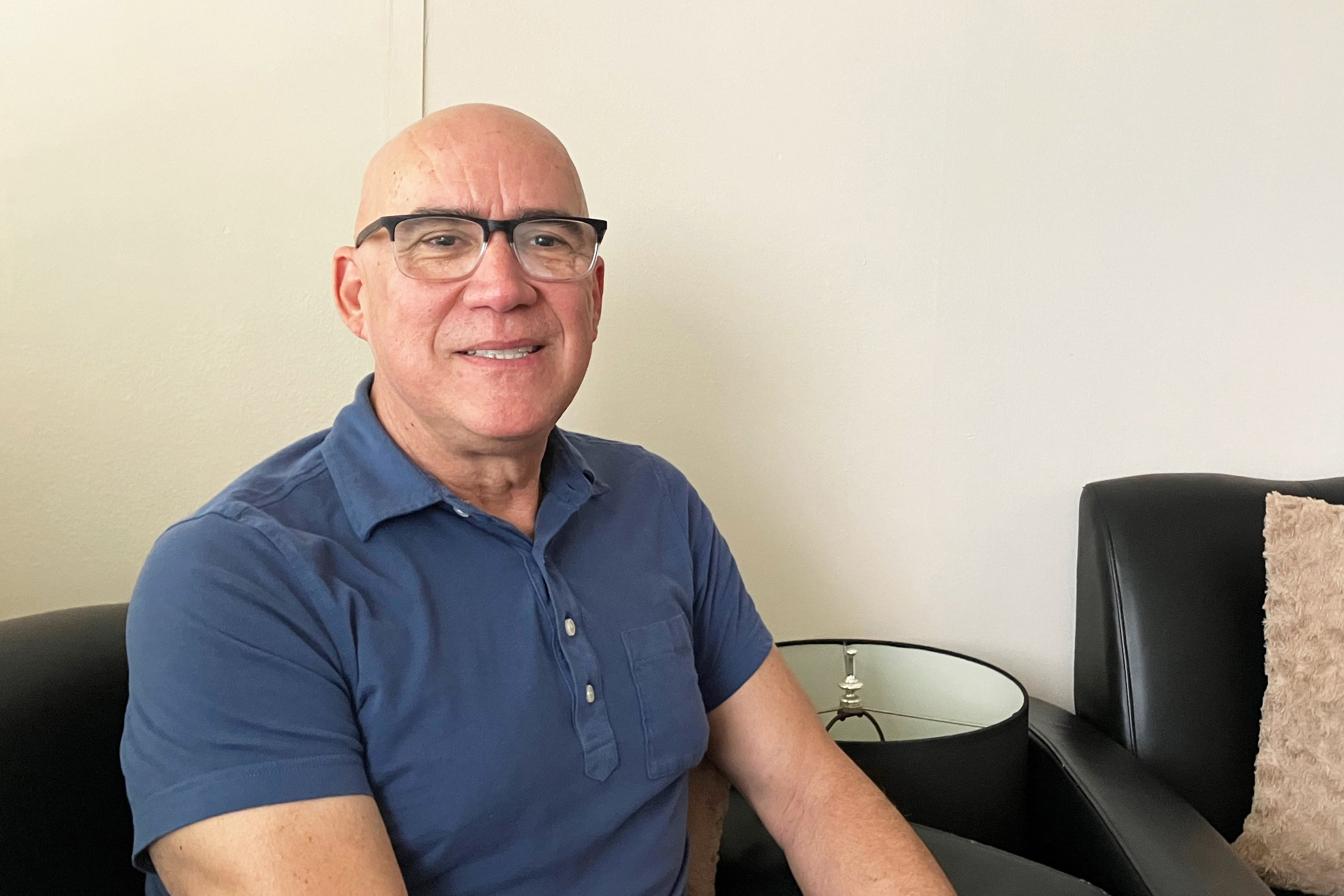
Orange County behavioral health director Veronica Kelley is sympathetic to advocates鈥� concerns. She said CARE Court is not the program she would have created to improve the state鈥檚 mental health system. But she serves at the will of the governor and other elected officials who control her budget.
鈥淪o we end up building the Winchester Mystery House,鈥� she said, referring to the 100-year-old mansion in San Jose known for its mazelike layout. 鈥淚t is a structure that was OK, but then it just started adding hallways to nowhere and basements that are on top of the building. That's what our system looks like.鈥�
Kelley is trying to shape the new court process into something its critics can accept. This is why she wanted Orange County to go first: 鈥渟o we can help craft it into something that's not another colossal waste of time and funds, and that we don't destroy the people we're trying to serve at the same time,鈥� she told a roomful of patient advocates during a meeting of the state , held in Santa Ana.
This means social workers from her or the might visit people 20, 30, or 40 times to build trust, listen, and set goals.
Under the CARE legislation, county courts are allowed to fine public behavioral health agencies $1,000 a day if they can鈥檛 find a patient and enroll them in treatment by certain deadlines.
Kelley said her county鈥檚 judges have agreed to give her staff the time and extensions they need to do their jobs well. She also vowed that no one who declined services in her county would be institutionalized involuntarily, even though the new legislation allows it.
鈥淚f someone agrees to do something of their own accord, it is far more probable that there will be long-term success and long-term commitment to the services being provided,鈥� she said.
Kelley pointed to the county鈥檚 success with another civil court process, established by , in which, for every person involved in court-ordered outpatient care, another 20 accepted treatment willingly.
She said the county has the same goal for CARE Court, with the focus on finding a treatment plan people accept voluntarily, before a judge has to order it.
This article is from a partnership that includes , , and 麻豆女优 Health News.
麻豆女优 Health News is a national newsroom that produces in-depth journalism about health issues and is one of the core operating programs at 麻豆女优鈥攁n independent source of health policy research, polling, and journalism. Learn more about .