BRIDGEPORT, W.Va. 鈥� By the time Eric Tennant was diagnosed in 2023 with a rare cancer of the bile ducts, the disease had spread to his bones. He weighed 97 pounds and wasn鈥檛 expected to survive a year with stage 4 cancer.
Two years later, grueling rounds of chemotherapy have slowed the cancer鈥檚 progress, even as it has continued to spread. But chemotherapy has also ravaged Tennant鈥檚 body and his quality of life.
Recently, however, the 58-year-old had reason to hope things would improve. Last fall, his wife, Rebecca, learned of a relatively new, noninvasive procedure called histotripsy, which uses targeted ultrasound waves to destroy tumors in the liver. The treatment could extend his life and buy him more downtime between rounds of chemotherapy.
Early this year, Tennant鈥檚 oncologist agreed he was a good candidate since the largest tumor in his body is in his liver. But that鈥檚 when his family began fighting another adversary: their health insurer, which decided the treatment was 鈥渘ot medically necessary,鈥� according to insurance paperwork.

Health insurers issue millions of denials every year. And like the Tennants, many patients find themselves stuck in a convoluted appeals process marked by long wait times, frustrating customer service encounters, and decisions by medical professionals they鈥檝e never met who may lack relevant training.
Recent federal and state efforts, as well as changes undertaken by insurance companies themselves, have attempted to improve a 50-year-old system that disproportionately burdens some of the sickest patients at the worst times. And yet many doctors complain that insurance denials are worse than ever as the use of prior authorization has ramped up in recent years, reporting by 麻豆女优 Health News and NBC News found.
When the Tennant family was told histotripsy would cost $50,000 and insurance wouldn鈥檛 cover it, they appealed the denial four times.
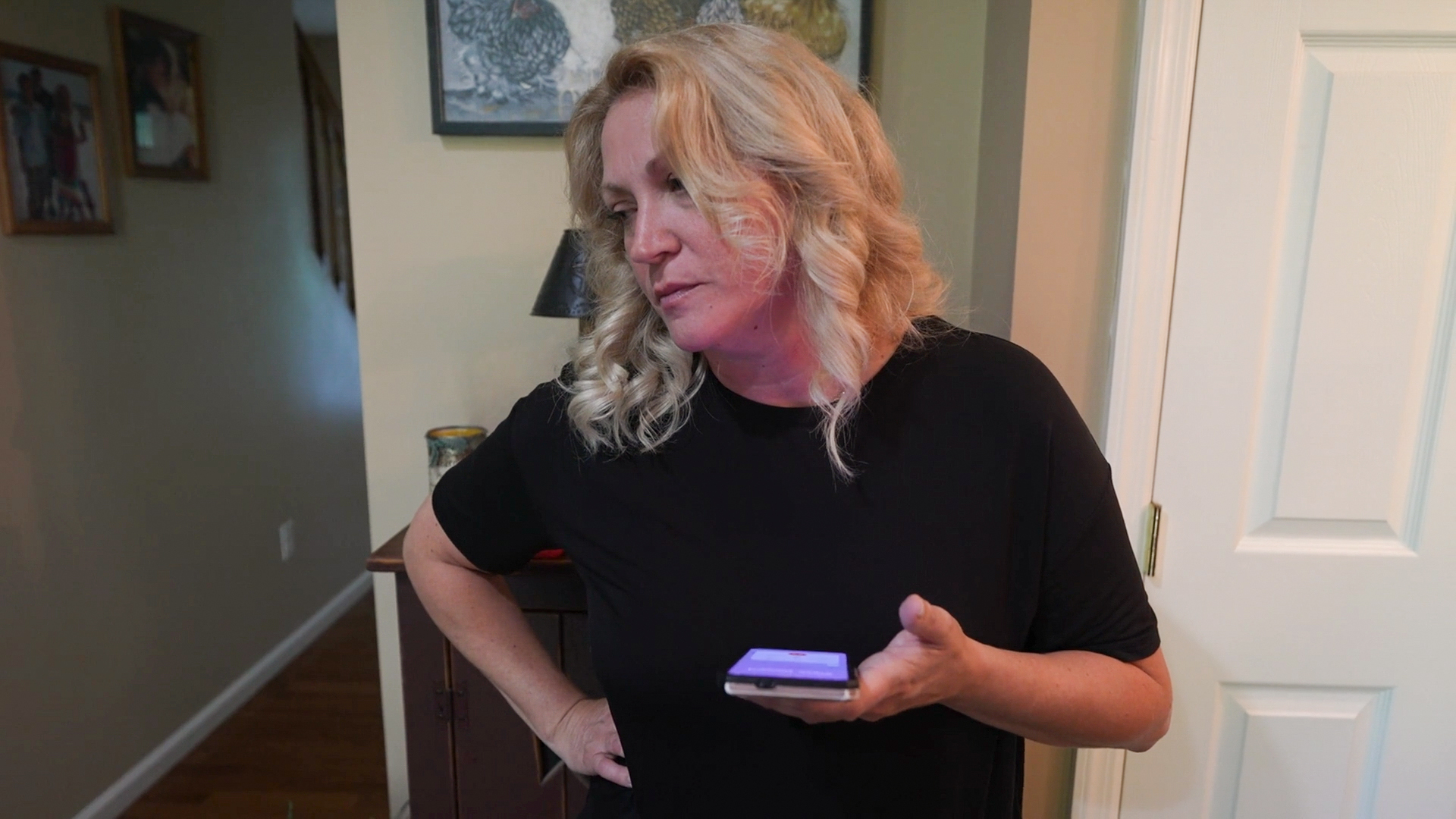
鈥淚t鈥檚 a big mess,鈥� said Rebecca Tennant, who described feeling like a pingpong ball, bouncing between the insurer and various health care companies involved in the appeals process.
鈥淭here鈥檚 literally nothing we can do to get them to change,鈥� she said in an April interview with 麻豆女优 Health News. 鈥淭hey鈥檙e, like, not accountable to anyone.鈥�
While the Brian Thompson in December incited a fresh wave of public fury about denials, there is almost no hope of meaningful change on the horizon, said Jay Pickern, an assistant professor of health services administration at Auburn University.
鈥淵ou would think the murder of a major health insurance CEO on the streets of New York in broad daylight would be a major watershed moment,鈥� Pickern said. Yet, once the news cycle died down, 鈥渆verything went back to the status quo.鈥�
An Unintended Consequence of Health Reform?
Prior authorization varies by plan but often requires patients or their providers to get permission (also called precertification, preauthorization, or preapproval) before filling prescriptions, scheduling imaging, surgery, or an inpatient hospital stay, among other expenses.
The practice isn鈥檛 new. Insurers have used prior authorization for decades to limit fraud, prevent patient harm, and control costs. In some cases, it is used to intentionally generate profits for health insurers, according to a . By denying costly care, companies pay less for health care expenses while still collecting premiums.
"At the end of the day, they鈥檙e a business and they exist to make money," said Pickern, who on patient care for The American Journal of Managed Care.
For most patients, though, the process works seamlessly. Prior authorization mostly happens behind the scenes, almost always electronically, and nearly all requests are quickly, or even instantly, approved.
But the use of prior authorization has also increased in recent years. That's partly due to the growth of enrollment in Medicare Advantage plans, which compared with original Medicare. Some health policy experts also point to the passage of the Affordable Care Act in 2010, which prohibited health insurers from denying coverage to patients with preexisting conditions, prompting companies to find other ways to control costs.
鈥淏ut we can't really prove this,鈥� said Kaye Pestaina, director of the Program on Patient and Consumer Protection at 麻豆女优, a health information nonprofit that includes 麻豆女优 Health News. Health insurers haven鈥檛 been historically transparent about which services require prior authorization, she said, making it difficult to draw comparisons before and after the passage of the Affordable Care Act.
Meanwhile, are looking to overhaul the prior authorization process.
In March, that will require health insurers to publicly post a list of health care services and codes for which prior authorization is required. A North Carolina bill would require doctors who review patient appeals to have practiced medicine in the same specialty as the patient鈥檚 provider. The West Virginia Legislature passed bills in both 2019 and 2023 requiring insurers to respond to nonurgent authorization requests within five days and more urgent requests within two days, among other mandates.
And in 2014, the South Carolina Department of Health and Human Services temporarily lifted all prior authorization requirements for Medicaid beneficiaries seeking rehabilitative behavioral health services.
Federal rules to modify prior authorization that were introduced by the first Trump administration and finalized by the Biden administration are set to take effect next year, with the aim of streamlining the process, reducing wait times, and improving transparency.
These changes were supported by AHIP, a trade group that represents health insurers.
鈥楽ick With Little Recourse鈥�
But the new federal rules won鈥檛 prevent insurance companies from denying payment for doctor-recommended treatment, and they apply only to some categories of health insurance, including Medicare Advantage and Medicaid. Nearly half the U.S. population is covered by employer-sponsored plans, which remain untouched by the new rules.
For some patients, the stakes couldn鈥檛 be higher.
On May 12, Alexander Schrift, 35, died at home in San Antonio, Florida, less than two months after his insurance company refused to cover the cancer drug ribociclib. It鈥檚 used to treat breast cancer but in treating the same type of brain tumor Schrift was diagnosed with in 2022, according to researchers at the Dana-Farber Cancer Institute in Boston and the Institute of Cancer Research in London.
But Schrift鈥檚 insurance company refused to pay. The Right to Try Act, signed by President Donald Trump in 2018, entitles patients with terminal illnesses to try experimental drugs, but it does not obligate insurance companies to pay for them.
In May, Sheldon Ekirch, 30, of Henrico, Virginia, said her parents withdrew money from their retirement savings to pay for company.
Ekirch, who was diagnosed with small fiber neuropathy in 2023, was recommended by her doctor to try an expensive blood plasma treatment called intravenous immunoglobulin to ease her near-constant pain. In April, a state agency charged with reviewing insurance denials upheld her insurer鈥檚 decision. Out-of-pocket, the treatment may cost her parents tens of thousands of dollars.
鈥淣ever in a million years did I think I鈥檇 end up here,鈥� Ekirch said, 鈥渟ick with little recourse.鈥�
Earlier this year, New Jersey congressman Jefferson Van Drew, a Republican, that would eliminate prior authorization altogether. But history suggests that would create new problems.
When South Carolina Medicaid lifted prior authorization for rehabilitative behavioral health services in 2014, the department鈥檚 costs for those services skyrocketed from $300,000 to $2 million per week, creating a $54 million budget shortfall after new providers flooded the market. Some providers were eventually referred to the South Carolina Attorney General鈥檚 Office for Medicaid fraud investigation. The state Medicaid agency eventually reinstated prior authorization for specific services, spokesperson Jeff Leieritz said.
What happened in South Carolina illustrates a common argument made by insurers: Prior authorization prevents fraud, reduces overspending, and guards against potential harm to patients.
On the other hand, many doctors and patients claim that cost-containment strategies, including prior authorization, do more harm than good.

On Feb. 3, 2024, Jeff Hall of Estero, Florida, became paralyzed from the neck down and spent weeks in a coma after he suddenly developed Guillain-Barr茅 Syndrome. The cause of his illness remains unknown.
Hall, now 51, argued that the Florida Blue health insurance plan he purchased on the federal marketplace hindered his recovery by capping the number of days he was allowed to remain in an acute rehabilitation hospital last year.
Hall said that after he was forced to 鈥渟tep down鈥� to a lower-level nursing facility, his health deteriorated so rapidly within six days that he was sent to the emergency room, placed on a ventilator, and required a second tracheostomy. Hall believes the insurance company鈥檚 coverage limits set his recovery back by months 鈥� and, ironically, cost the insurer more. His wife, Julie, estimated Jeff鈥檚 medical bills have exceeded $5 million, and most of his care has been covered by his insurer.
鈥淕etting better is not always the goal of an insurance company. It鈥檚 a business,鈥� Jeff Hall said. 鈥淭hey don鈥檛 care.鈥�
In a prepared statement, Florida Blue spokesperson Jose Cano said the company understands 鈥渋t can be a challenge when a member reaches the limit of their coverage for a specific service or treatment.鈥� He encouraged members affected by coverage limits to contact their health care providers to 鈥渆xplore service and treatment options.鈥�
A 鈥楻are and Exceptional鈥� Reversal
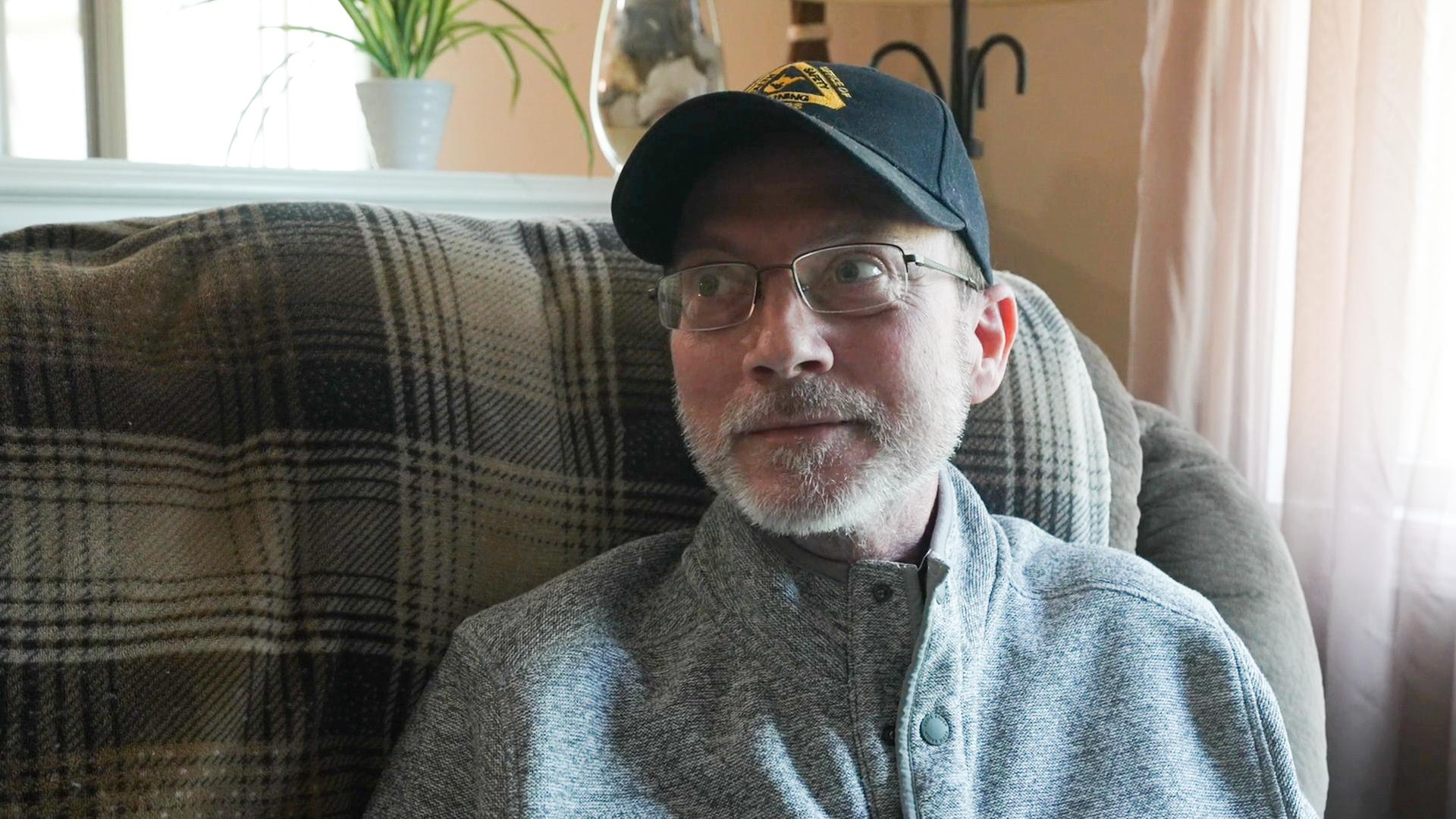
Back in West Virginia, Eric and Rebecca Tennant say they are realistic about Eric鈥檚 prognosis.
They never expected histotripsy to cure his cancer. At best, the procedure could buy him more time and might allow him to take an extended break from chemotherapy. That makes it worth trying, they said.
As a safety instructor with the West Virginia Office of Miners鈥� Health Safety and Training, Eric Tennant is a state employee and is insured by West Virginia鈥檚 Public Employees Insurance Agency.
As the Tennants pleaded with the state insurance agency to cover histotripsy, they faced a list of other companies involved in the decision, including UMR, a UnitedHealthcare subsidiary that contracts with West Virginia to manage the public employee plans, and MES Peer Review Services, a Massachusetts company that upheld the insurer鈥檚 decision in March, citing that histotripsy is 鈥渦nproven in this case and is not medically necessary.鈥�
None of their appeals worked. After 麻豆女优 Health News and NBC News reached out to West Virginia鈥檚 Public Employees Insurance Agency with questions for this article, the agency changed its mind, explaining the insurer had consulted with medical experts to further evaluate the case.
鈥淭his decision reflects a rare and exceptional situation鈥� and does not represent a change in the Public Employees Insurance Agency's overall coverage policies,鈥� Director Brent Wolfingbarger said in a prepared statement to 麻豆女优 Health News.
In a separate prepared statement, UnitedHealthcare spokesperson Eric Hausman said the company sympathizes with 鈥渁nyone navigating through life-threatening care decisions.鈥�
鈥淐urrently, there is no evidence that histotripsy is as effective as alternative treatment options available,鈥� he said in late May, after the earlier insurance denials were reversed, 鈥渁nd its impact on survival or cancer recurrence is unknown.鈥�
MES Peer Review Services did not respond to a request for an interview.
Meanwhile, Rebecca Tennant worries it might be too late. She said her husband was first evaluated for histotripsy in February. But his health has recently taken a turn for the worse. In late May and early June, she said, he spent five days in the hospital after developing heart and lung complications.
Eric Tennant is no longer considered a viable candidate for histotripsy, his wife said, although the Tennants are hopeful that will change if his health improves. Scans scheduled for July will determine whether his cancer has continued to progress. Rebecca Tennant blames her husband鈥檚 insurance plan for wasting months of their time.
鈥淭ime is precious,鈥� she said. 鈥淭hey know he has stage 4 cancer, and it鈥檚 almost like they don鈥檛 care if he lives or dies.鈥�
Do you have an experience with prior authorization you鈥檇 like to share?聽聽to tell your story.
NBC News health and medical unit producer Jason Kane and correspondent Erin McLaughlin contributed to this report.
麻豆女优 Health News is a national newsroom that produces in-depth journalism about health issues and is one of the core operating programs at 麻豆女优鈥攁n independent source of health policy research, polling, and journalism. Learn more about .