This spring, a few days after his 2nd birthday, Brigland Pfeffer was playing with his siblings in their San Diego backyard.
His mother, Lindsay Pfeffer, was a few feet away when Brigland made a noise and came running from the stone firepit, holding his right hand. She noticed a pinprick of blood between his thumb and forefinger when her older son called out, 鈥淪nake!鈥�
鈥淚 saw a small rattlesnake coiled up by the firepit,鈥� she said.
Pfeffer called 911, and an ambulance transported Brigland to Palomar Medical Center Escondido.
The Medical Procedure
When they arrived, Brigland's hand was swollen and purple.
Antivenom, an antibody therapy that disables certain toxins, is usually administered via an intravenous line, directly into the bloodstream. But emergency room staffers struggled to insert the IV.
鈥淭hey had so many people in that room trying his head, his neck, his feet, his arms 鈥� like, everything to find a vein,鈥� Pfeffer said.
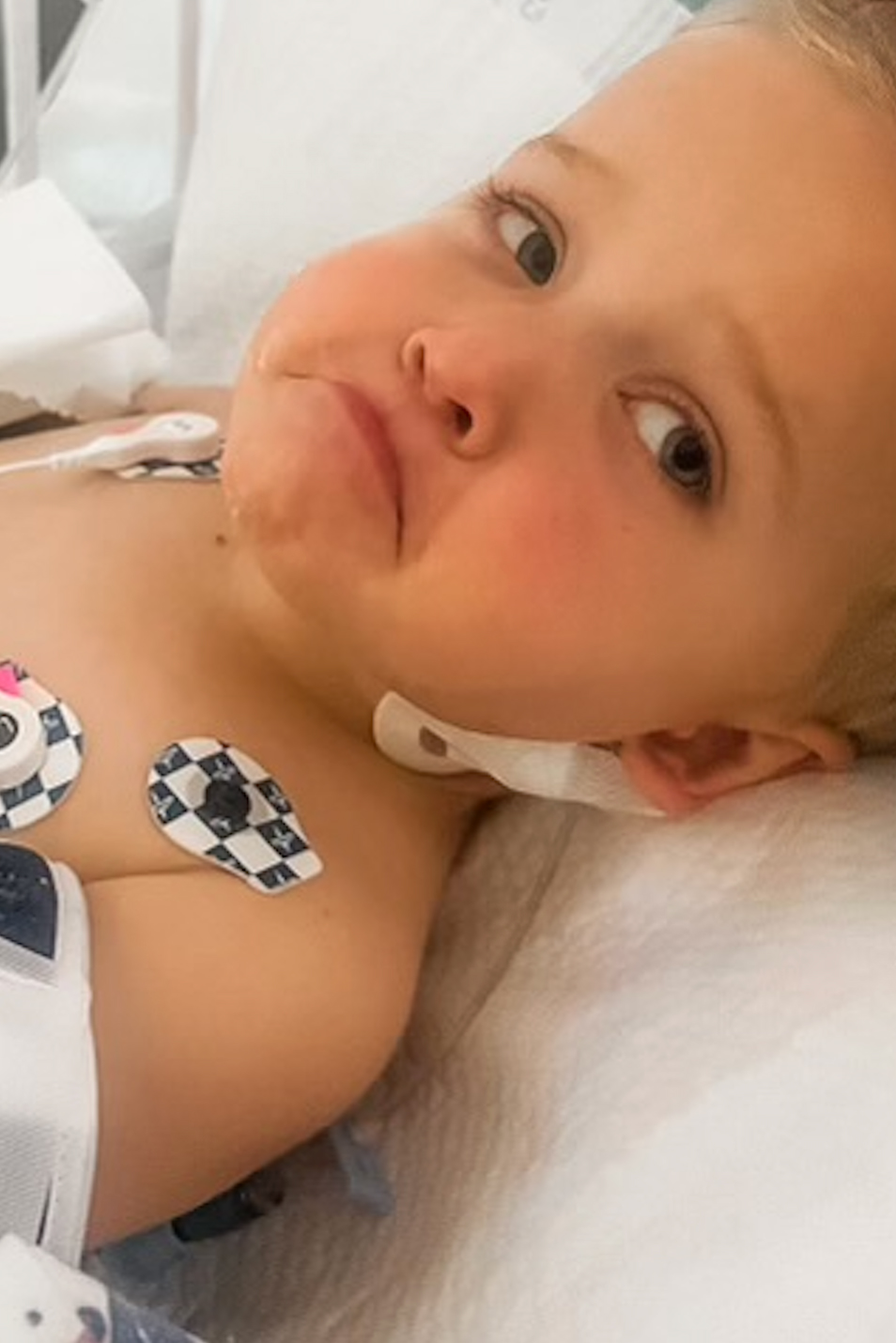
Still unable to start the antivenom, a doctor asked for her permission to try drastic measures. 鈥淛ust get something going,鈥� she recalled pleading.
It worked. Using a procedure that into the bone marrow, the medical team gave Brigland a starting dose of the antivenom Anavip.
He was transferred to the pediatric intensive care unit at Rady Children鈥檚 Hospital, where he received more Anavip.
The swelling that had spread to his armpit slowly decreased. A couple of days later, he left the hospital with his grateful parents.
Then the bills came.
The Final Bill
$297,461, which included two ambulance rides, an emergency room visit, and a couple of days in pediatric intensive care. Antivenom alone accounts for $213,278.80 of the total bill.
The Billing Problem: The High Cost of Antivenom
The Centers for Disease Control and Prevention in the United States every year. About five people die. That number would be higher, the agency says, if not for medical treatment.
Many snakebites happen far from medical care, and not all emergency rooms keep costly antivenom in stock, which can add big ambulance bills to already expensive care.
It often takes more than a dozen vials, typically costing thousands per vial, to treat a snakebite. The median number per patient is 18 vials, said Michelle Ruha, an emergency room doctor in Arizona and a former president of the American College of Medical Toxicology.
Manufacturing, which hasn鈥檛 fundamentally changed since antivenom was developed more than a century ago, does not explain the high price. Venomous creatures are milked, then a small, non-harmful amount of toxin is injected into animals like horses or sheep. Antibodies are extracted from their blood and processed to make antivenom.
Why the high price? One explanation is that hospitals mark up products to balance overhead costs and generate revenue.
Brigland received Anavip at two hospitals that charged different prices.
Palomar, where emergency staffers treated Brigland, charged $9,574.60 per vial, for a total of $95,746 for the starting dose of 10 vials of Anavip.
Rady, the largest children鈥檚 hospital on the West Coast, charged $5,876.64 for each vial. For the 20 vials Brigland received there, the total was $117,532.80.
Neither hospital responded to requests for comment.
Those charges are 鈥渆ye-popping,鈥� said Stacie Dusetzina, who is a professor of health policy at Vanderbilt University Medical Center and reviewed the bills at the request of 麻豆女优 Health News. 鈥淲hen you see the word 鈥榗harges,鈥� that's a made-up number. That isn鈥檛 connected at all, usually, to what the actual drug cost.鈥�
For instance, Medicare 鈥� the government program for those who are at least 65 or disabled 鈥� pays about $2,000 for a vial of Anavip. On average, Dusetzina said, that is the price hospitals pay for it.
Leslie Boyer, a doctor and toxicology researcher, helped found a group that was instrumental in , as well as the other available snake antivenom, , which dominated the market for decades. In 2015, she published an editorial in the American Journal of Medicine of antivenom. (Boyer declined to comment for this article.)
Using cost data collected from factory supervisors, animal managers, hospital pharmacists and other sources, Boyer developed a model for a hypothetical antivenom, at a final cost of $14,624 per vial. She found the cost of venom, included in that total, was just 2 cents. Manufacturing accounted for $9 of the $14,624 total.
More than 70% of the price tag 鈥� $10,250 鈥� is attributable to hospital markups, her research showed.
Another explanation for antivenom鈥檚 high cost is a lack of meaningful competition. Anavip entered the market in 2018 as the only competitor to CroFab. But its makers settled a patent infringement lawsuit with CroFab鈥檚 maker, requiring the makers of Anavip to .
Anavip debuted at a retail price of $1,220 per vial. Boyer noted that the price later rose to cover the manufacturers鈥� millions of dollars in legal costs.
The Resolution
The insurer covering Brigland 鈥� Sharp Health Plan, which did not respond to requests for comment 鈥� negotiated down the antivenom charges by tens of thousands of dollars.
The cost was mostly covered by insurance. Brigland鈥檚 family paid $7,200, their plan鈥檚 out-of-pocket maximum.
Insurance did not pay all the claims, including one ambulance bill. Pfeffer said she received a letter this summer indicating they owe an additional $11,300 for Brigland鈥檚 care. While the landmark No Surprises Act protects patients from many out-of-network bills in emergencies, the law controversially exempted bills for ground ambulances.
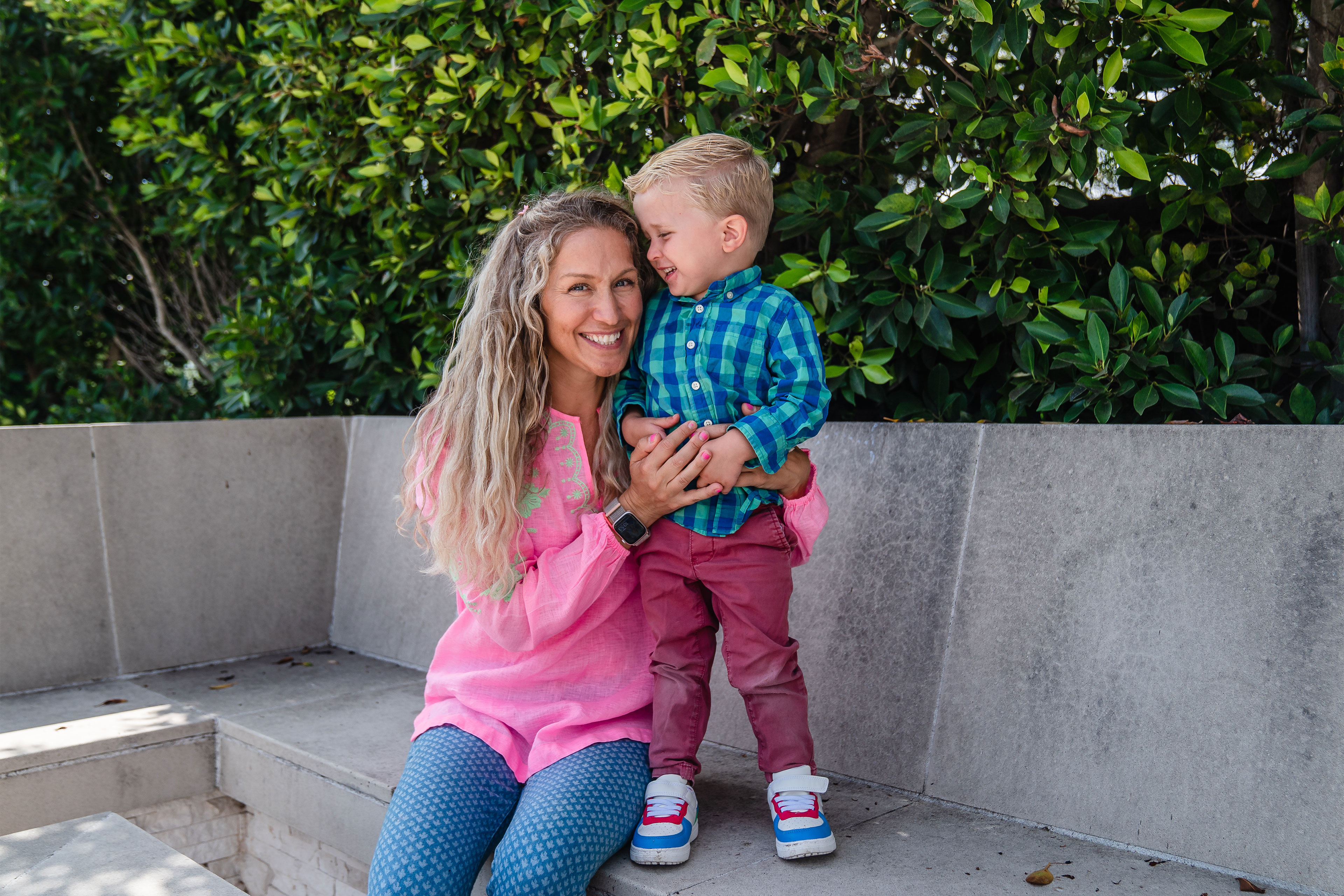
Brigland鈥檚 hand healed, though nerve damage and scar tissue have left his right thumb less dexterous. He is now left-handed.
鈥淗e鈥檚 very, very lucky,鈥� Pfeffer said.
The family has since installed snake fencing around the yard.

The Takeaway
There鈥檚 a saying in toxicology: Time is tissue. If bitten by a snake, 鈥済et to medical care,鈥� Ruha said.
Not all emergency rooms have antivenom, and there are no online resources identifying which ones do. Ruha recommends going to a large hospital, which is more likely to have antivenom in stock than free-standing emergency rooms.
When the bill comes, be ready to negotiate, Dusetzina said. Providers know their charges are high and may be willing to take less.
You can compare the charges against average prices using cost estimation tools like or .
Bill of the Month is a crowdsourced investigation by 麻豆女优 Health News and that dissects and explains medical bills.听Since 2018, this series has helped many patients and readers get their medical bills reduced, and it has been cited in statehouses, at the U.S. Capitol, and at the White House. Do you have a confusing or outrageous medical bill you want to share? Tell us about it!
麻豆女优 Health News is a national newsroom that produces in-depth journalism about health issues and is one of the core operating programs at 麻豆女优鈥攁n independent source of health policy research, polling, and journalism. Learn more about .