Can鈥檛 see the audio player?聽
Ever since Mercy Hospital went 鈥渃orporate,鈥� things just haven鈥檛 been the same 鈥� that鈥檚 what lots of locals in Fort Scott, Kansas, said when the Mercy health system shuttered the only hospital in town.
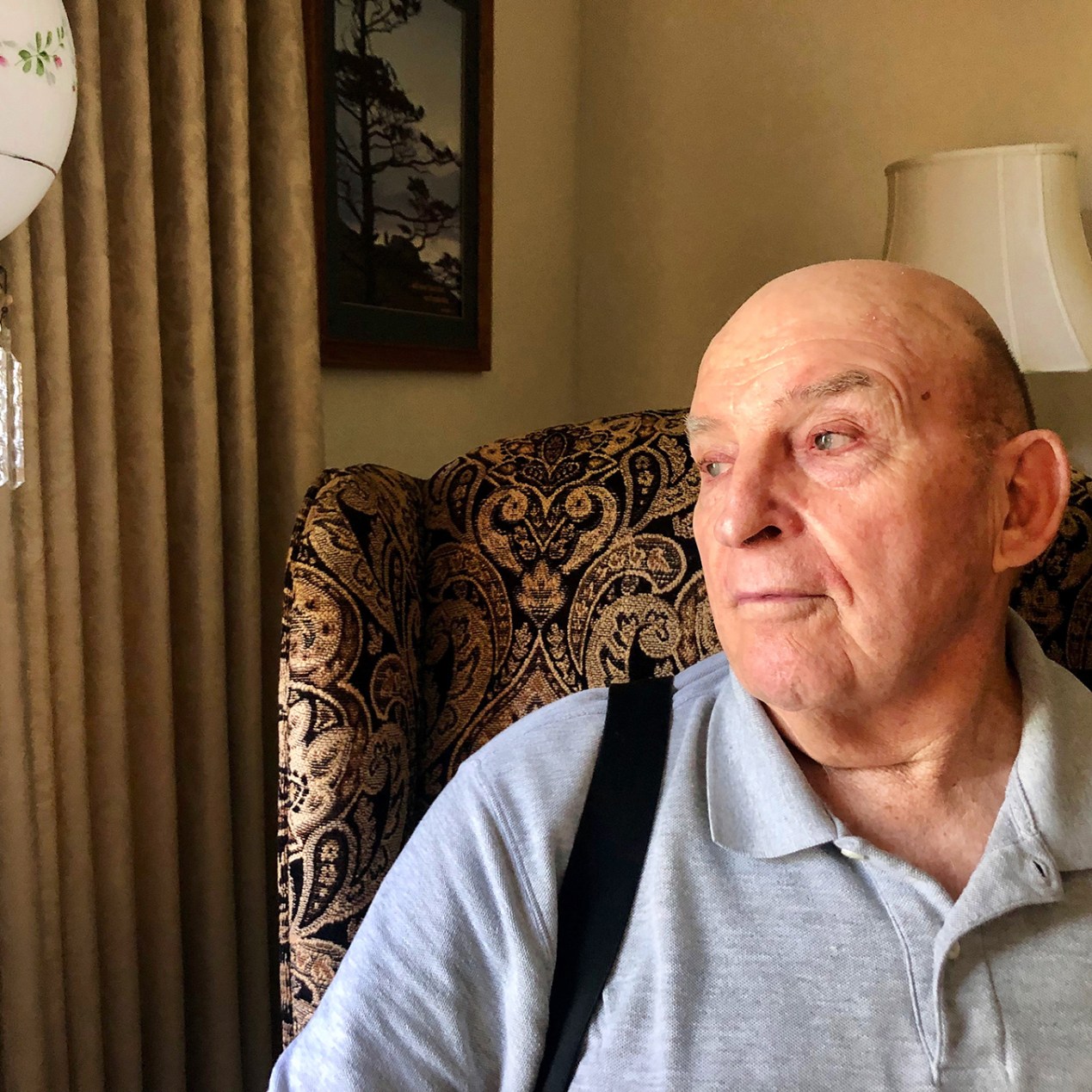
It鈥檚 been years since Catholic nuns led Mercy Hospital Fort Scott, but town historian Fred Campbell is wistful for his boyhood in the 1940s when sisters in habits walked the hallways.
鈥淲ell, I had never, ever been in a hospital. And here came these ladies in flowing robes and white bands around their faces. And I was scared to death. But it wasn't long 鈥檛il I found that, first thing I know, they had some iced Coca-Cola. I still remember them putting their hand on my head to see if I had a fever.鈥�
For more than 100 years, Mercy Hospital 鈥� and the nuns who started it all 鈥� cared for local people. But in recent years, Fort Scott鈥檚 economy and the hospital鈥檚 finances faltered. Campbell hoped both could survive.
鈥淢ercy Corporation, can you stay with us longer?鈥� he wondered.
In Chapter 4 of Season One: No Mercy, podcast host Sarah Jane Tribble carries that question to Sister Mary Roch Rocklage, the powerhouse who consolidated all the Mercy hospitals in the Midwest.
.
鈥淲here It Hurts鈥� is a podcast collaboration between KHN and St. Louis Public Radio. Season One extends the storytelling from Sarah Jane Tribble鈥檚 award-winning series, 鈥�.鈥�
Subscribe to Where It Hurts on , , , or .
And to hear all KHN podcasts,聽.
麻豆女优 Health News is a national newsroom that produces in-depth journalism about health issues and is one of the core operating programs at 麻豆女优鈥攁n independent source of health policy research, polling, and journalism. Learn more about .