


Updated at 8:50 a.m. Feb. 14.
If it’s the middle of February, and it’s time for the聽yearly Washington ritual:聽A president proposes Medicare and Medicaid cuts, and then聽nursing homes聽and hospitals complain聽that those cuts will destroy the quality of care.聽 Today was no different:聽President Barack Obama released his.
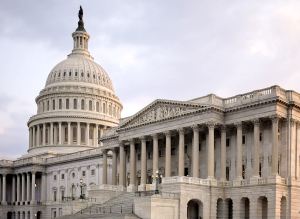
Photo by Karl Eisenhower/KHN
Since many of the about $360 billion in payment changes over 10 years were the same as those the president to the congressional super committee last fall, this budget聽(like those of many other presidents) is dead on arrival on Capitol Hill.
That didn鈥檛 stop provider groups from slamming it, hard.
鈥淭his budget proposal would jeopardize the ability of teaching and children鈥檚 hospitals to train the next generation of physicians, harm care for the people in rural communities by reducing funding for critical access hospitals and reduce assistance that helps defray some of these costs to low-income seniors,鈥� according to from American Hospital Association president and chief executive officer Rich Umbdenstock. It would also hurt the industry鈥檚 ability to create jobs, he maintained.
Ditto for the Federation of American Hospitals, which is 鈥渆xtremely concerned鈥� that Obama鈥檚 budget 鈥減roposes arbitrary cuts to already inadequate Medicare and Medicaid hospital funding.鈥� In a , Chip Kahn, the group鈥檚 president and chief executive officer, called the funding cuts 鈥渟hortsighted鈥� and 鈥渃ounterproductive.鈥�
Enough already, adds the Alliance for Quality Nursing Home Care. Skilled nursing facilities are already absorbing $127 billion in Medicare payment reductions over the next decade and the additional cuts in Obama鈥檚 budget are just too much, Alan G. Rosenbloom, the group鈥檚 president, said in a . 聽Over the last year, he said, 32 states have cut or frozen Medicaid funding for nursing homes.聽聽They point out that more than 70 percent of nursing home聽patient care is paid for by government programs.
Of course, health care providers never like payment cuts, and some said Monday that聽they understood that Obama has to take steps to reduce the federal deficit.聽But they may be especially nervous this year because of what awaits them in January unless Congress steps in: the automatic for providers, triggered by the super committee’s lack of action.


