


In a growing number of states, patients who get opioids for serious pain may leave their doctors鈥� offices with a second prescription 鈥� for naloxone, a drug that can save their lives if they overdose on the powerful painkillers.
New state laws and regulations in , , , , , and require physicians to 鈥渃o-prescribe鈥� or at least offer naloxone prescriptions when prescribing opioids to patients considered at high risk of overdosing. Patients can be considered at high risk if they need a large opioid dosage, take certain other drugs or have sleep apnea or a history of addiction.
Such co-prescribing mandates are emerging as the latest tactic in a war against an epidemic of prescription and illegal opioids that has claimed hundreds of thousands of lives over the past two decades.
The Food and Drug Administration whether to recommend naloxone co-prescribing nationally (an FDA subcommittee recently ), and other federal health officials already for certain patients. And the companies that make the drug are supportive of the moves. It鈥檚 not hard to see why: An FDA estimated that would be needed if the agency officially recommended co-prescribing nationally.
Most states have limited the volume of opioids doctors can prescribe at one time and dramatically expanded access to naloxone. In California, for example, pharmacists directly to consumers who are taking illegal or prescription opioids or know someone who is.
In the states with co-prescribing rules, patients aren鈥檛 required to fill their naloxone prescriptions, and those with cancer or who are in nursing homes or hospice typically are exempted.
Kristy Shepard of Haymarket, Va., was surprised to find a naloxone prescription waiting for her recently when she went to the pharmacy to pick up her opioid meds. Her first instinct was not to fill it. She did so only after the nurse in her doctor鈥檚 office pressured her to. The doctor had never talked to her about Virginia鈥檚 new co-prescribing law, she said.
“It’s so silly. I didn’t feel like I needed it. Unless I plan to hurt myself, I鈥檓 not likely to overdose,鈥� said Shepard, 41, a registered nurse and hospital administrator who can no longer work and has applied for disability benefits.
But it may not be as difficult as some people think to overdose on prescription painkillers.
鈥淵ou can take pain meds responsibly, and you can be at risk for an accidental overdose even when you鈥檙e doing everything right,鈥� said Dr. Nathan Schlicher, an emergency medicine doctor in Washington state and a member of the opioid task force formed jointly by the state’s hospital and medical associations.
have an addiction to prescription painkillers, according to the FDA. And nearly in the U.S. died from overdosing on them from 1999 to 2017, according to the Centers for Disease Control and Prevention. During that same period, prescription opioid deaths rose , the CDC data show.
In California, doctors wrote opioid prescriptions in 2017 and that year from overdosing on prescription opioids. Common prescription opioids include Vicodin, OxyContin, Percocet, morphine, codeine and fentanyl.
To counter this trend, 鈥渟tates are scrambling for any policy lever they can find,鈥� said Kitty Purington, senior program director at the National Academy for State Health Policy.
Even before the state mandates, pain specialists considered it good practice to prescribe naloxone along with opioid painkillers for some patients, particularly those with a history of substance abuse.
Doctor lobbying groups typically resist government rules regarding their practice, but medical associations in some states supported or at least remained neutral on naloxone co-prescribing mandates.
The companies that make the drug have spent hundreds of thousands of dollars collectively lobbying for their interests at the state level.
Kal茅o, which makes the naloxone auto-injector , in 2017-18 lobbying California lawmakers on bills expanding access to naloxone, including the state鈥檚 co-prescribing law, which requires doctors to offer prescriptions for naloxone to high-risk patients who get opioids.
In December, Kal茅o introduced a lower-cost generic version of the injector after a Senate investigation found the company had raised the price of its branded version 600 percent from 2014 to 2017, to $4,100 for two injectors.
Adapt Pharma, which makes the naloxone nasal spray , to lobby California lawmakers on the co-prescribing legislation.
One advantage of the co-prescribing rules is that they foster important doctor-patient conversations about the risks of opioids, said Dr. Farshad Ahadian, medical director at the UC San Diego Health Center for Pain Medicine.
鈥淢ost providers probably feel that it鈥檚 better for physicians to self-regulate rather than practice medicine from the seat of the legislature,鈥� Ahadian said. 鈥淭he truth is there鈥檚 been a lot of harm from opioids, a lot of addiction. It鈥檚 undeniable that we have to yield to that and to recognize that public safety is critical.鈥�
But some doctors 鈥� not to mention patients 鈥� have reservations about the new requirements. Some physicians say it will be nearly impossible for states to enforce the mandates. Others worry that prescribing naloxone to patients who live alone is useless, because it typically must be administered by another person 鈥� ideally one who has been trained to do it.
Patients fear that naloxone prescriptions could unfairly stigmatize them as drug addicts and cause life insurers to deny them coverage.
Shepard, the disabled Virginia nurse and a mother of four, said she worries that her naloxone prescription could affect her chances of getting additional life insurance 鈥� a pressing question, she said, as her lupus worsens over time.
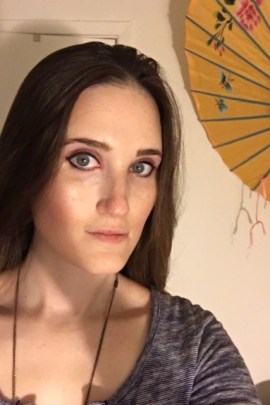
Katie O’Leary, a pain patient in Los Angeles, is wary of state mandates requiring doctors to prescribe the antidote naloxone along with opioid painkillers to reverse the effects of overdosing. 鈥淪o many patients already jump through so many hoops to get their meds,鈥� she says.
And a Boston-area nurse who worked at an addiction treatment program was turned down by two life insurers simply because she carried naloxone for her patients.
The decision to prescribe naloxone 鈥渋s something that should be between a doctor and a patient, because every situation is unique,鈥� said Katie O鈥橪eary, a 31-year-old movie production company office manager who lives in Los Angeles and was diagnosed with about five years ago.
鈥淪o many patients already jump through so many hoops to get their meds,鈥� O鈥橪eary said. 鈥淎nd if you live alone and don鈥檛 have family or friends to take care of you, the naloxone might not be something that could actually help.鈥�
Opioid addiction and overdoses are a complex problem, and naloxone is just one part of the solution, said Dr. Ben Bobrow, a professor of emergency medicine at the University of Arizona College of Medicine.
鈥淚n the past, pain was the fifth vital sign; we thought we were doing a bad job if we were undertreating pain,鈥� Bobrow said. 鈥淚nadvertently, we were harming people. We ended up getting all these people hooked. Now it鈥檚 our job to help them find other [ways] of treating their pain.鈥�
California Healthline digital reporter contributed to this report.
This story was produced by聽, which publishes聽, an editorially independent service of the聽.
Clarification: This story was updated at 4:45 p.m. ET to clarify that the opioid task force in Washington state was formed jointly by the state鈥檚 hospital and medical associations.聽


