


Sen. Jay Rockefeller, D-W.Va., has asked the Department of Health and Human Services to overhaul聽 aimed at changing聽the way millions of individuals who qualify for both Medicare and Medicaid receive health care.
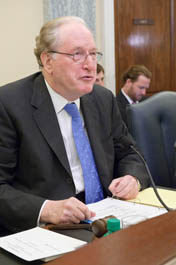
Sen. Rockefeller (Photo by Sen. Rockefeller's office via Flickr)
In a , Rockefeller asked Secretary Kathleen Sebelius to 鈥渢ake immediate steps to halt this initiative as currently structured and to take the time necessary to develop a well-designed and thoroughly evaluated care coordination model for dual eligibles that meets the standards outlined in the law.鈥� A release from Rockefeller鈥檚 office said the West Virginia Democrat authored language in the health law that created the Federal Coordinated Health Care Office, which is overseeing the duals demonstration.
Finding high-quality, cost-effective ways to care for the 9 million people known as 鈥渄ual eligibles鈥� is among the brass rings of health policy. The population includes some of the sickest and poorest Americans who must navigate a fragmented system that can impede their care. Managing their care is important because it’s so costly: They聽account for聽approximately 20 percent of Medicare鈥檚 beneficiaries, for instance,聽but 31 percent聽of its spending, and 15 percent of Medicaid beneficiaries, but nearly 40聽percent聽of聽that program鈥檚聽spending, according to federal officials.
Twenty-six states have submitted demonstration proposals to the Centers for Medicare and Medicaid Services to integrate care for three million duals, exceeding an earlier CMS target of one to two million beneficiaries, according to the Medicare Payment Advisory Commission, which has also expressed concern about the project.聽聽The states’ proposals aim to聽better coordinate care聽and to reduce costs for both Medicare and Medicaid.
Rockefeller said that any programs testing new models of care for duals should focus on providing better care rather than saving money, especially since 鈥渟ome states are proposing to enroll dual eligibles in plans that have not demonstrated their ability to deliver high quality care for this population.鈥� Rockefeller also wrote that any new care coordination ideas should be rigorously tested before they are expanded to a state鈥檚 entire population of duals, and that duals retain all the rights and the same access to care as all other Medicare beneficiaries.
HHS referred questions about the letter to CMS.聽 In an email Wednesday, CMS spokesman Brian Cook聽said聽that the agency was 鈥渋mplementing important reforms that will improve care for these millions of Americans. Given the diversity and significant health care needs of dual eligibles, we recognize how critical it is to have beneficiary protections in place to achieve the highest-quality health care possible. We are taking the input from Congress, MedPAC, and others very seriously moving forward.鈥�
In a sent Wednesday to CMS, MedPAC members said the scope of demonstrations as proposed is too broad and that only a few聽health plans have experience managing the full range of services that many duals need, which include聽medical聽and long-term care and behavioral health services. MedPAC urged CMS to conduct the demonstrations in a limited number of states rather than enroll millions of beneficiaries at once. The panel also recommended that beneficiaries be notified about the 聽demonstrations and be given the chance to opt out before they are automatically enrolled in a plan that they could opt-out of later.
Sarah Barr contributed.


